Human Trafficking Prevention

Human trafficking thrives in silence and misunderstanding. Prevention begins with education, awareness, and community action.

At House of Cherith, we believe that when people understand the reality of trafficking, recognize warning signs, and know how to respond safely, exploitation can be prevented before it begins.

Together, we can stand against trafficking and protect the most vulnerable among us.

Website_Prevention.png

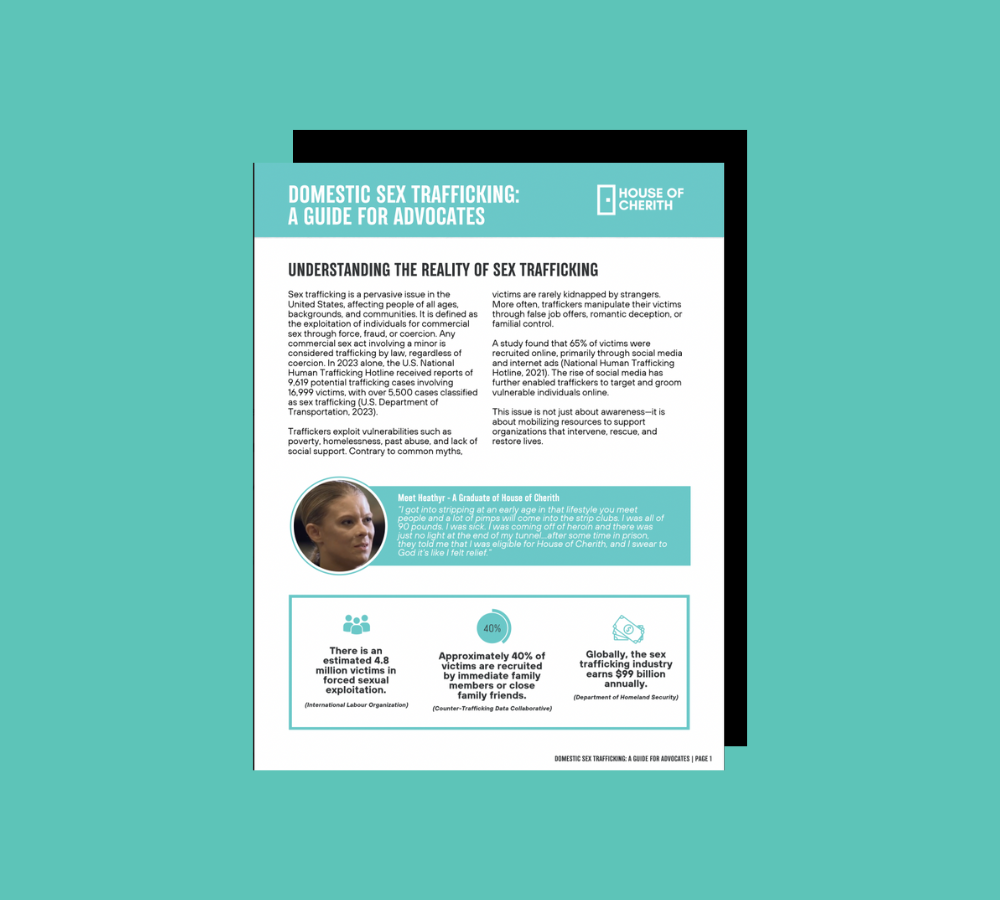
Human Trafficking 101

Understanding the Reality of Trafficking

Human trafficking is not what most people think. It does not always involve kidnapping, chains, or crossing borders. In reality, trafficking often happens in familiar places, to people who are already vulnerable, and through manipulation rather than force.

What is Human trafficking?

Human trafficking is the use of force, fraud, or coercion to exploit a person for labor or commercial sex. When a minor is involved in commercial sex, it is considered human trafficking, regardless of force or consent.

What Trafficking Often Looks Like Trafficking Does Not Always Look Like
A “boyfriend” or trusted person controlling someone’s phone, money, or movements Kidnapping by a stranger
Someone being pressured to do things they don’t want to do in order to survive Physical restraint
Exploitation hidden behind relationships, job offers, or promises of care Someone asking for help directly
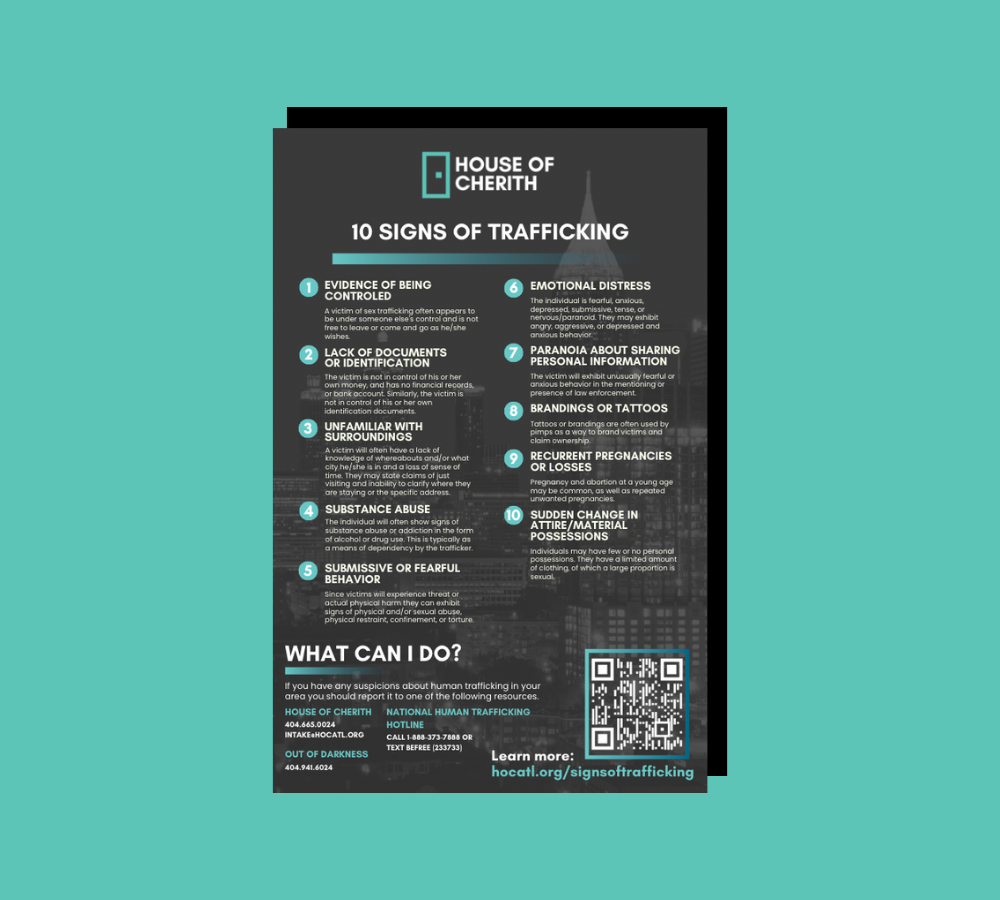
Recognizing the Signs of Trafficking

Trafficking is often hidden in plain sight. Knowing the warning signs can help you identify when someone may be at risk.

signs of Trafficking
Website_Advocacy_city (2).png
 
Prevention Starts at Home

According to Thorn, 55% of domestic minor sex trafficking survivors who entered the life in 2015 or later, reported meeting their trafficker for the first time using text, a website, or a mobile app. Many traffickers recruit online—often posing as friends, mentors, or romantic interests. Education and open communication are key to prevention.


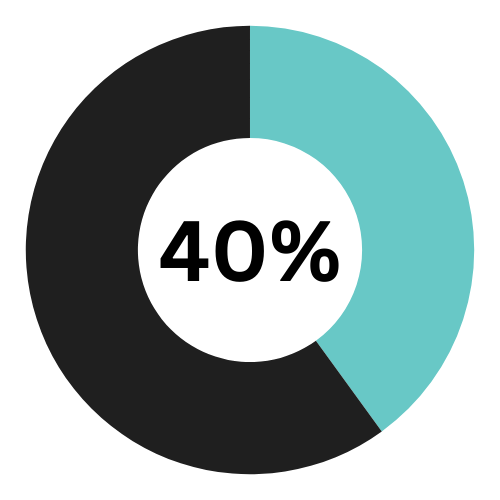
40% of Minors Report

In a recent report from Thorn, nearly half of all kids (40%) have been approached by someone who they thought was attempting to “befriend and manipulate” them.


Online Safety Can Look Like..

 
    • Requests to move conversations to private or encrypted platforms

    • Offers of money, gifts, or “opportunities”

    • Pressure to keep relationships secret

    • Excessive compliments, flattery, or emotional manipulation

    • Enable privacy and parental controls on devices

    • Monitor apps, platforms, and online activity regularly

    • Keep communication open, supportive, and judgment-free

    • Loneliness or low self-esteem

    • Desire for validation or independence

    • Conflict at home or school


Resources

We all have a role to play. Prevention is most effective when communities are informed, equipped, and engaged. Explore the realities of sex trafficking and find out how you can take action in the fight for freedom.

 
Website_Prevention (2).png
How You Can Get Involved

 You don’t have to be an expert to make a difference. Here are ways you can stand against trafficking today:

Educate yourself and others.

Check out our resources to learn the warning signs of trafficking and how to respond safely and appropriately. Share the resources with your friends and family.

Give hope through giving.

Your donation directly supports women and families on their journey from exploitation to restoration. Consider becoming a monthly donor by joining Fight Club. hocatl.org/fightclub 

Pray.

Join us in praying for survivors seeking safety, for prevention efforts in our communities, and for wisdom and strength for our staff and partners walking alongside women and families every day.

Share awareness

Follow us on social media as we share facts, education, and resources. Repost and share our content to help spread awareness.

Instagram | Facebook